
The Role of Luck in Gambling
Luck is often perceived as the driving force behind success in gambling. While skill and strategy are important, many players acknowledge that chance plays a significant role in determining outcomes. This unpredictability can create exhilarating highs or devastating lows, making it essential for gamblers to understand how luck intertwines with their gambling experiences. Each time a player spins a slot machine or rolls dice, they engage in a game influenced significantly by elements beyond their control, including new betting sites australia that offer different odds and opportunities. Recognizing this can help players adopt a more balanced approach to their gambling activities.
An example can be seen in games like roulette, where players place their bets, hoping for a winning number or color. The outcome, governed by the mechanics of the wheel and ball, is purely chance-based. A player might rely on strategies, such as betting on red or black, but in the end, it’s the luck of the draw that determines if they leave the table a winner or a loser. This randomness is not just a feature of some games; it is fundamental to the entire gambling experience, reminding players that every spin or roll can yield a completely different outcome.
Certain games, particularly those involving cards, do benefit from skill, yet luck still plays a crucial part. Even the most skilled poker players rely on the luck of the draw to some extent, as they can only play with the cards dealt to them. This reliance on fortune can lead to surprising outcomes, where a novice player might win against seasoned opponents simply due to a favorable hand. Thus, understanding luck may help gamblers balance their strategic approaches with realistic expectations about winning, ensuring that they remain grounded in the understanding that outcomes can be wildly unpredictable.
Understanding Variance in Gambling
Variance is a term often used in gambling to describe the fluctuations in outcomes that players can experience over time. In games of chance, the variance indicates how much one can expect to see results deviating from the average. A high-variance game means that wins may be less frequent but larger when they occur, while a low-variance game entails more regular, smaller payouts. Understanding this concept is vital for anyone looking to engage in gambling successfully, as it directly impacts how players approach their sessions.
For instance, slot machines typically exhibit high variance, meaning players may go long stretches without hitting a jackpot. However, when they do win, the payouts can be substantial. Conversely, a game like blackjack may show lower variance since players often garner smaller wins consistently if they play strategically. Here, luck helps set the tone, but skill contributes significantly to managing expectations and understanding game dynamics. Recognizing the variance inherent in each game can help players make more informed choices about which games to play based on their risk tolerance.

Emphasizing variance also allows gamblers to shape their budgets and strategies more effectively. Those who embrace higher variance may be willing to accept long losing streaks in hopes of an eventual big win, while those favoring low variance might prefer steadier, albeit smaller, returns. Understanding personal risk tolerance and gambling style can enhance the overall experience and make it easier to cope with losses stemming from the unpredictable nature of luck. Therefore, players should always consider how variance affects their potential outcomes when deciding where to place their bets.
The Psychology of Luck in Gambling
The psychological aspects of luck can significantly influence gambling experiences. Gamblers often develop a connection with luck, attributing wins and losses to their personal beliefs and superstitions. Some individuals carry lucky charms or adopt specific rituals before playing, believing these practices will enhance their chances of winning. This connection can create a unique mindset, where luck is personified and players feel as if they can influence outcomes through their actions, which can profoundly impact their gambling strategies.
This tendency to link luck with personal agency can lead gamblers to experience cognitive biases, such as the gambler’s fallacy. This is the belief that past outcomes influence future results, leading players to think that after a series of losses, a win is “due.” While this belief can add to the thrill, it can also result in misguided betting strategies and increased losses. By understanding these psychological influences, gamblers can better navigate their emotions and decision-making processes, ensuring that luck does not cloud their judgment.
Moreover, the perception of luck can shape a gambler’s overall experience and behavior. Those who view themselves as lucky may be more willing to take risks and explore higher-stakes games, while those who feel unfortunate might adopt a more conservative approach. This interplay between luck and psychology showcases how deeply interconnected our perceptions of chance can be, affecting everything from how much one wagers to how one reacts to wins or losses. Ultimately, a healthy mindset regarding luck can lead to more responsible gambling practices.
Managing Expectations in a Luck-Based Environment
Given the prominent role of luck in gambling, managing expectations becomes critical for successful players. Understanding that luck is not a constant force allows gamblers to adopt a healthier perspective on their experiences. Players who enter the gambling world with realistic expectations are better prepared to cope with the inevitable ups and downs, fostering a more sustainable approach to their gaming sessions. This awareness can help mitigate feelings of frustration or disappointment when luck does not favor them.
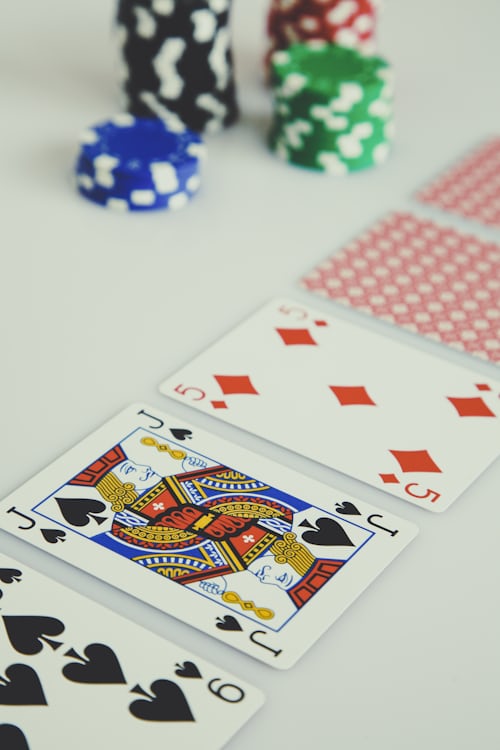
For instance, setting a budget and defining loss limits can significantly enhance the overall gambling experience. Players should recognize that not every session will yield wins, and losses are part of the game. By preparing mentally for this reality, gamblers can engage more responsibly and avoid the emotional turmoil associated with chasing losses or amplifying their risk when luck doesn’t favor them. This proactive approach fosters a more enjoyable experience, where the focus shifts from merely winning to enjoying the gaming experience itself.
Additionally, embracing a balanced approach between luck and skill can lead to a more enjoyable gambling experience. While luck plays a role, employing strategies and understanding game mechanics can help shape better outcomes overall. Those who find satisfaction not solely in winning, but in the entertainment value of the games themselves, can maintain a healthier relationship with gambling, regardless of the role luck plays in their sessions. By focusing on the enjoyment and thrill of the experience, players can cultivate a mindset that appreciates the game as a form of entertainment rather than just a means to an end.
Exploring More About Responsible Gambling
As the gambling landscape continues to evolve, various resources are available to help players navigate the intricate relationship between luck, skill, and responsible gambling. Understanding how luck influences success in gambling is vital for anyone looking to engage in this thrilling activity. By prioritizing responsible approaches, individuals can enjoy gambling while minimizing risks and maximizing the fun. Comprehensive strategies for managing expectations, as well as tips for maintaining control over budgets, can greatly enhance the gambling experience and foster a safe environment.
Various organizations and websites dedicated to responsible gambling offer insights, tools, and support for players seeking to better understand their gambling habits. These resources can provide valuable information about recognizing unhealthy patterns and developing strategies to foster a safer and more enjoyable gambling environment. Committed players can turn to these platforms for guidance and information to make informed decisions about their gambling practices. Understanding these resources empowers gamblers to seek help if needed and promotes a culture of responsible gambling.
In conclusion, as players deepen their understanding of how luck affects their success in gambling, they can cultivate a mindful approach that balances enjoyment and responsibility. Recognizing the role of luck while implementing smart strategies empowers gamblers to navigate their experiences thoughtfully, ensuring both excitement and safety in the ever-captivating world of gambling. By fostering a responsible gambling mindset, individuals can enhance their experience and maintain control over their gaming activities, ensuring that luck remains a fun and unpredictable element of their overall experience.
Свежие комментарии